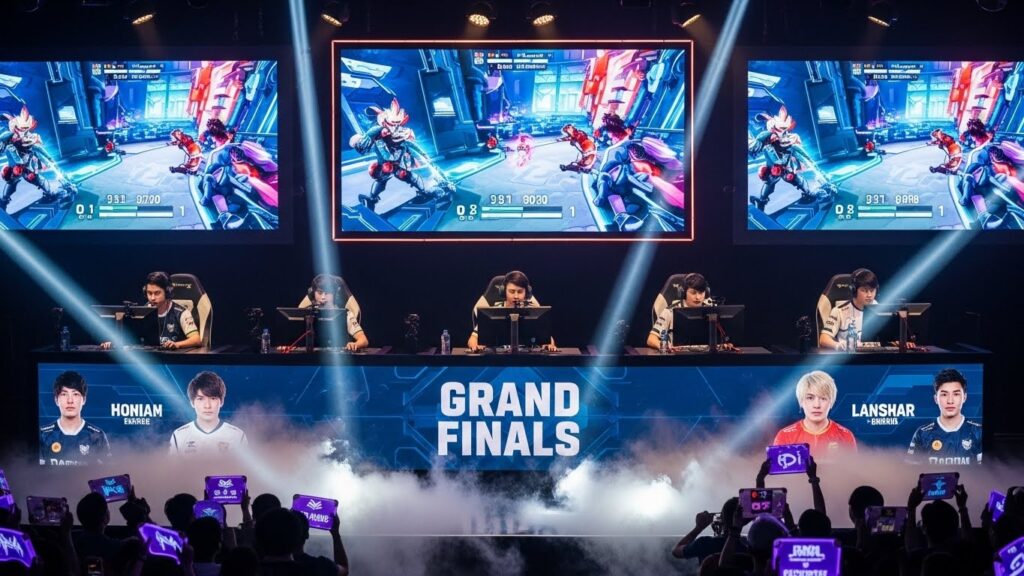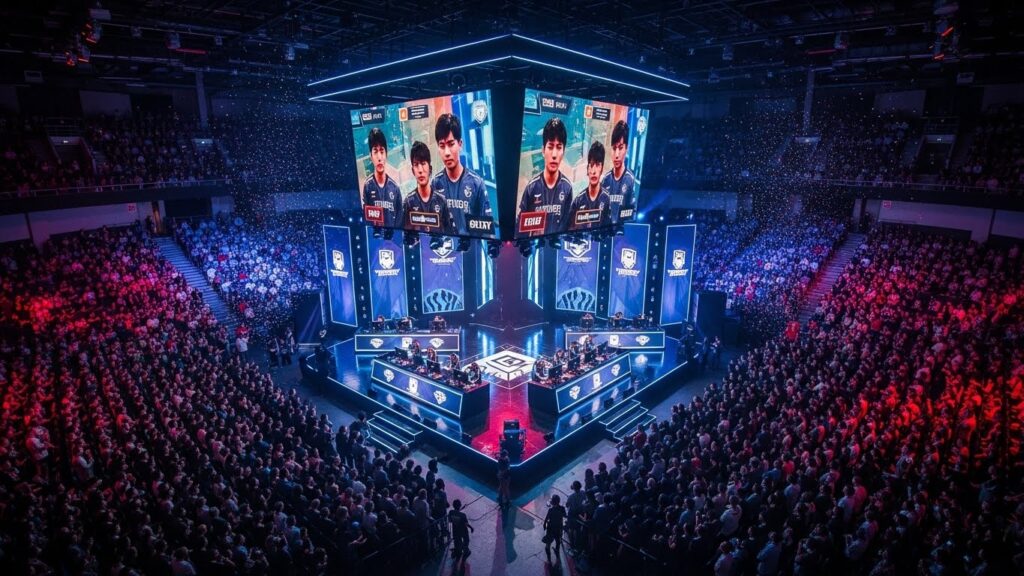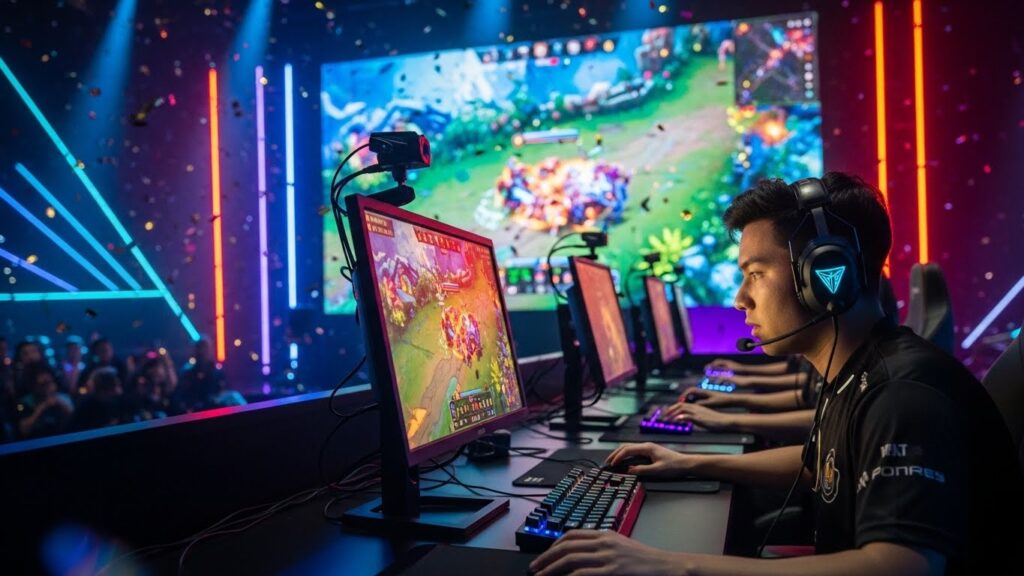
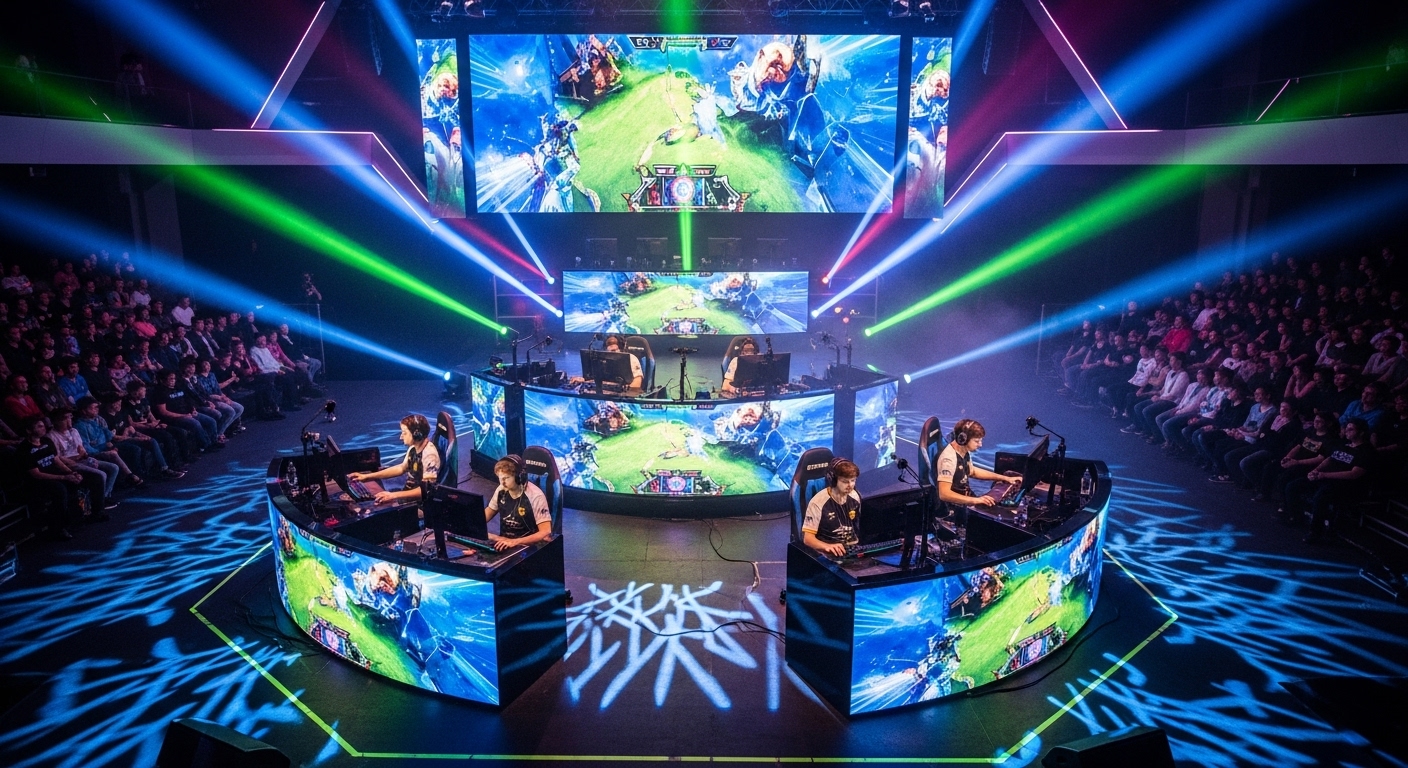
Esports, once a niche hobby for gaming enthusiasts, has now become a global phenomenon, attracting millions of players, viewers, and investors worldwide. With massive tournaments, multi-million-dollar sponsorships, and a growing fanbase, esports has transcended its humble origins to become a powerhouse in the entertainment industry. But how did we get here, and what makes esports such a compelling sector today? Let’s take a deep dive into the fascinating world of competitive gaming.
What Is Esports?
At its core, esports refers to organized, multiplayer video game competitions, particularly between professional players, individually or as teams. These competitions are held in various genres such as first-person shooters (FPS), multiplayer online battle arenas (MOBA), and real-time strategy games (RTS), with games like League of Legends, Dota 2, Fortnite, Counter-Strike, and Overwatch leading the charge.
Esports tournaments can range from small, local LAN (Local Area Network) events to large-scale international championships. In recent years, these competitions have been broadcasted globally, making esports accessible to millions of viewers on streaming platforms like Twitch, YouTube, and Facebook Gaming.
The Growth of Esports
Over the past decade, esports has experienced exponential growth, both in terms of viewership and revenue. What started as informal competitions among friends has now evolved into a billion-dollar industry. According to Newzoo, the global esports audience is expected to surpass 500 million by 2026, with revenues reaching over $1.6 billion annually.
This rapid expansion has attracted major brands, technology companies, and even traditional sports franchises, all eager to capitalize on the gaming culture. Sponsorship deals, advertising, and merchandise sales have contributed to the rise in revenue, while esports organizations are investing heavily in their teams and infrastructure.
Professional Esports: Players, Teams, and Tournaments
Professional esports is now a career path for thousands of players around the world. Just like athletes in traditional sports, esports pros undergo rigorous training, practice sessions, and teamwork to stay at the top of their game. Many players start their careers at a young age, often becoming household names within the esports community.
Esports teams, such as Cloud9, Team Liquid, and T1, have become iconic brands. These organizations not only recruit top-tier players but also provide them with coaches, analysts, and performance specialists to optimize their chances of winning. The dynamic nature of esports means that teams are often built around strategies that evolve with each new game update or patch.
Tournaments like The International (for Dota 2), League of Legends World Championship, and CS:GO Major Championships are the crown jewels of the esports calendar. These events are often held in massive arenas, with millions of dollars in prize money on the line. The viewership numbers for these events rival those of traditional sports finals, with tens of millions tuning in to watch the action unfold live.
Esports as a Spectator Sport
While the players are the stars, the fans are the lifeblood of esports. Competitive gaming’s appeal lies not only in its excitement and fast-paced action but also in the sense of community it fosters. Watching an esports tournament is not just about observing skilled gameplay; it’s about connecting with like-minded individuals who share a passion for the game.
Streaming platforms like Twitch and YouTube Gaming have transformed esports into a spectator sport in its own right. Viewers can watch live streams of their favorite teams and players, interact with streamers through live chats, and even participate in the competition through fan voting and prediction games.
The accessibility of esports means that fans can tune in from anywhere in the world, further strengthening the global appeal. Major tournaments are often broadcast in multiple languages, making it easy for non-English speaking fans to follow the action.
The Future of Esports
The future of esports looks incredibly bright. As technology continues to evolve, so too will the scope and reach of competitive gaming. Virtual reality (VR) and augmented reality (AR) technologies could revolutionize how esports events are experienced, offering even more immersive and interactive experiences for both players and spectators.
Another exciting possibility for the future of esports is its integration into the world of traditional sports. We’re already seeing esports being featured at major events like the Asian Games, and there are talks about esports becoming part of the Olympic Games. While this may take time, it’s clear that the recognition of esports as a legitimate sport is becoming more widespread.
Furthermore, the rise of mobile esports is another factor contributing to the growing diversity of the industry. Games like PUBG Mobile and Call of Duty: Mobile have made esports more accessible to people who may not own high-end gaming PCs or consoles. This opens up competitive gaming to a broader audience, further fueling its growth.
Challenges Faced by Esports
Despite its incredible growth, esports is not without its challenges. One of the most pressing concerns is the mental and physical health of players. Many professional gamers face intense pressure to perform, which can lead to burnout, anxiety, and stress. Long hours of training and competition also take a toll on players’ physical well-being, with repetitive strain injuries becoming a common issue.
Additionally, issues surrounding cheating, match-fixing, and toxicity in the community are persistent challenges. Esports organizations and tournament organizers have made strides to combat these issues, but as the industry grows, maintaining integrity and a positive environment for players and fans will remain a key priority.
Conclusion
Esports has undoubtedly transformed from a niche hobby to a global phenomenon. With its rapid growth, professional infrastructure, and massive fan base, esports has firmly established itself as a major player in the entertainment industry. As the industry continues to evolve, we can only imagine how the next generation of gamers, teams, and fans will shape the future of competitive gaming.
Esports is more than just a passing trend—it’s a cultural shift that has redefined what it means to be a sports fan in the 21st century. Whether you’re a casual player, a dedicated fan, or an aspiring professional, one thing is clear: the rise of esports is here to stay.